Showing posts with label IPM. Show all posts

Friday, October 4, 2019

Exterminate!

(This piece was originally posted on the POP Agriculture Podcast 9/19/2019)


The Tardis (photo by  Zir, Wikimedia Commons )
The Tardis (photo by Zir, Wikimedia Commons)


The show has been running on the BBC since 1963, and part of what makes that long run possible is that the Doctor has the ability to be re-born from time to time with a different human body (although supposedly with two hearts).  There have been 13 different stars playing the part of The Doctor, and the most recent one is Jodie Whittaker (#13), the first female. I just finished binge watching that season to catch up! Other recent leads have been David Tennant (#10), Matt Smith (#11), and Peter Capaldi (#12).

Hard core Doctor Who fans call themselves “Whovians,”   The Urban dictionary puts it this way:  A few easy ways to tell if someone is a Whovian are: Turn off all the lights while repeating "Hey, who turned out the lights?", moving statues around while they aren't looking or telling them not to blink while staring at a statue, yelling exterminate at them in a freaky as hell robot voice, and watching how they react. If they start screaming they're most likely a Whovian.” 


So, what’s the “exterminate” thing about?  There are new and different “bad guys” for the Doctor to out-wit in most episodes, but throughout the years of shows, a frequent “threat to the future of humanity” has been a strange race of robotic space beings called the Daleks.  Back in the earliest, obviously low budget days of the show, the Daleks looked a lot like modified trash cans (I guess “dust bins” since it’s British) with toilet plungers for arms.  That basic, funky, Daleck look has been preserved over the history of the show as has that creepy chant that of theirs: “Exterminate! Exterminate! ….” 
Dalek image by Nelo Hotsuma from Rockwall [CC BY 2.0 (https://creativecommons.org/licenses/by/2.0)]


So the Daleks of Dr. Who are a classic example of fictional, pop-culture aliens who are out to exterminate humans. There are also many examples of pop-culture stories of humans trying to “exterminate” some sort of alien invaders.  On today’s POPagriculture podcast we are going to talk about a real world story about how humans successfully managed to “Exterminate” some alien invaders who were threatening the grape industries of California.

Standard Intro

So, in California there are lots of farmers who tend 880,000 acres of grapes.  These include those that are specifically for drying to make raisins.  Other grapes are grown as a nice, fresh, mostly seedless snack.  Throughout the state there are also various “appellations” for wine grape production.  Together these crops bring in about 5.8 billion dollars a year to the state’s economy. These products are loved by not just Americans but by people around the world.  California has nearly ideal climatic conditions for each of these grape categories, and since they are relatively drought tolerant they are a good fit for our limited water resources.  One nice thing is that we don’t have much rain during the summer and so we don’t have to deal with some difficult fungal diseases that are a big challenge in places like Europe.  There are still certainly pests that have to be dealt with, but the grape industry has always been a leader in doing that is a sustainable way.

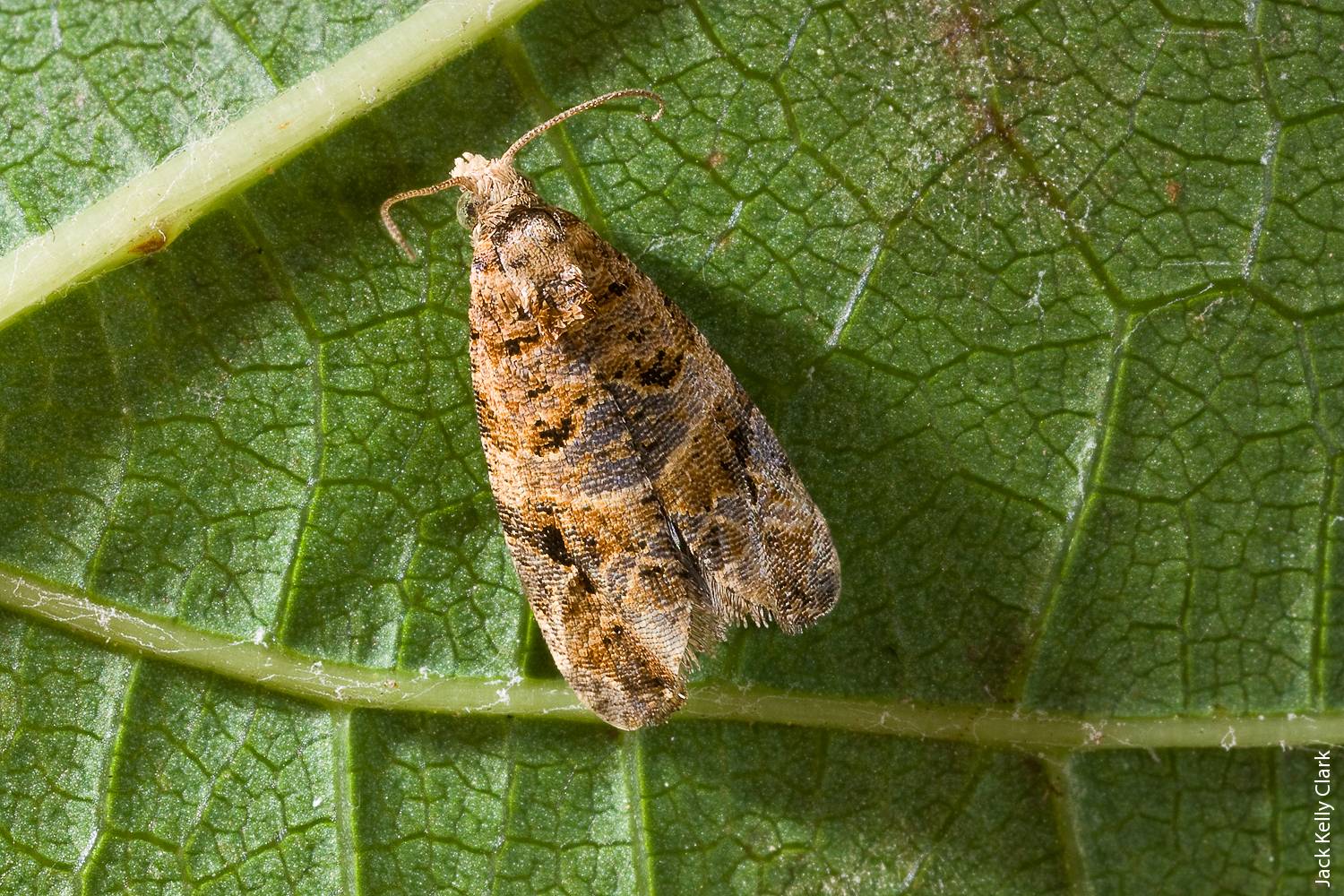
Lobesia:  European Grapevine Moth image by Jack Kelly Clark , University of California Extension
Lobesia: European Grapevine Moth image by Jack Kelly Clark, University of California Extension
So that’s the background, but the drama for our story began in the summer of 2009 in a famous, premium wine grape-growing region called the Napa Valley.  One of the growers there spotted a caterpillar munching away on some of his grapes.  Now there are several kinds of moths that can be pests of California grapes, particularly during their larval stage as caterpillars.  But the grower noticed that this one didn’t look like those familiar types. Being suspicious he sent a picture to a county extension agent – a kind of University employee whose job it is to support the industry with research and advice.  It turned out that was a new kind of moth to California – an alien invader!  Ok, not a space alien, but scary from the perspective of grape farmers.  It was called the European Grapevine Moth or “EVGM.” As its name implies it has been a pest in that continent for a long time.  That name doesn’t sound scary enough for our story so lets use the scientific name, Lobesia botrana.


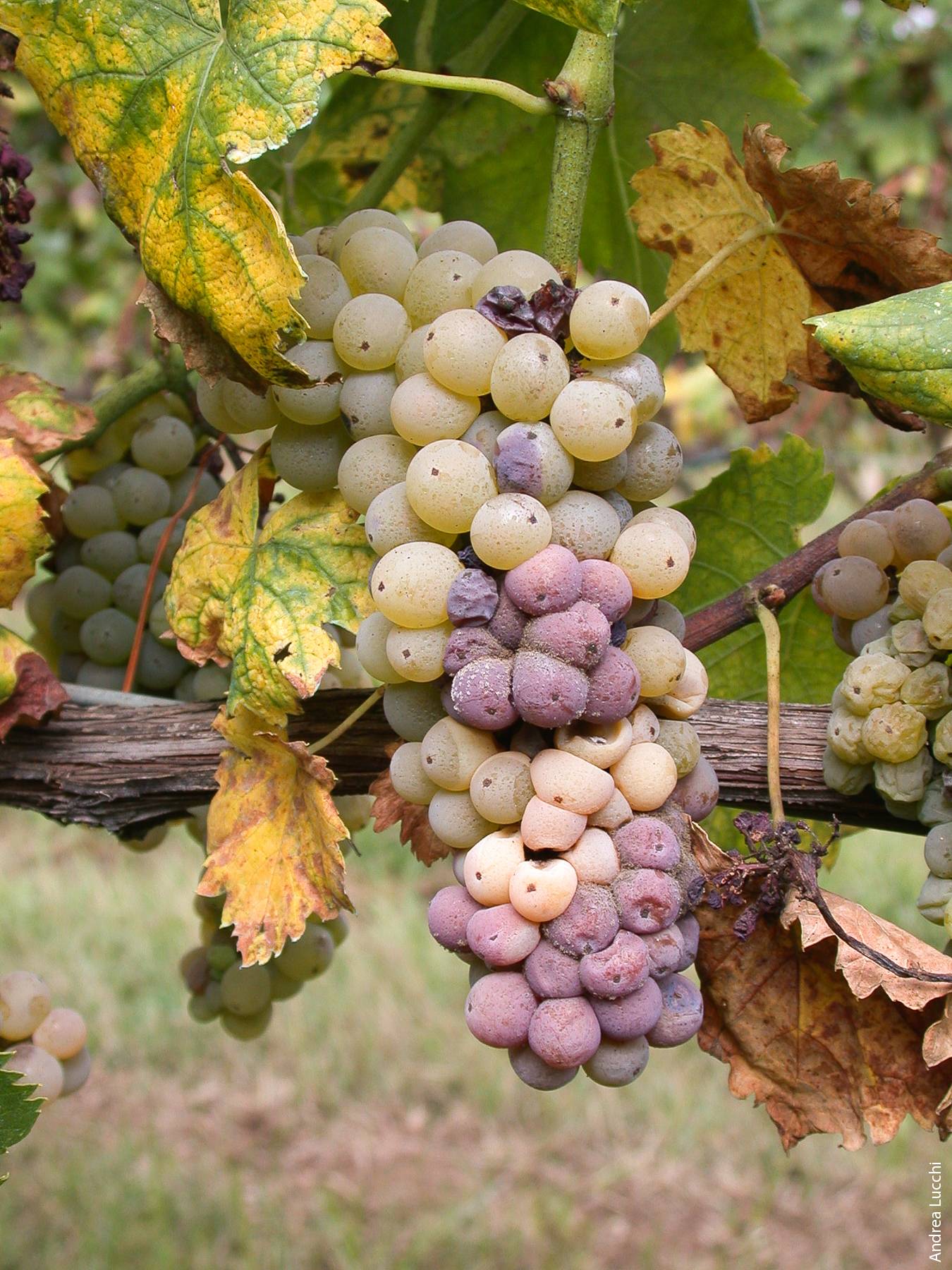
Now the thing is that this wasn’t just another moth.  The caterpillar stage of this bug would do a lot more damage to the grape clusters than the other moth species and that would mean nice things like “frass” or insect poop on the grapes or later the raisins.  To make matters worse, the feeding opens the way for fungi that rot the grapes and that kind of infection can spread from berry to berry throughout the cluster.  This would make it a lot harder for the raisin growers to have a high quality product, it would mean a lot more food waste even all the way to the consumer level for the table grapes.  Moldy grapes definitely don’t make for high quality wine!

Rotting grape image by Andrea Lucchi , University of California
Rotting grape image by Andrea Lucchi, University of California


Now of course there wasn’t an extraterrestrial “Doctor” to lead this campaign, but even Dr. Who drafts a team of regular humans to help defeat the aliens.

In this case the team comprised representatives of the grower communities, university experts and government employees from the relevant state and federal departments. They held an emergency meeting and decided that they wanted to see if they could come up with a way to not only stop the spread of the pest, but if at all possible to completely eradicate it from California.  Eradicate! Doesn’t sound quite as harsh as “exterminate!” but it’s essentially the same idea.


In order to see what they were up against, sixty thousand “Sticky traps” were distributed state wide at a density of 39 per square kilometer in vineyards and 10 per square kilometer in residential areas. In the next 2010 growing season they found 100,000 moths in several California counties.  This was going to be a big challenge!  Only a comprehensive strategy with broad participation would give any hope of winning.  So the team developed a multi-prong strategy:


Those sticky traps continued to be used to monitor progress, but they were careful to use red colored traps because they are much less likely to accidentally trap honeybees.


It was important to find ways to limit further spread of the aliens. The adult moths can fly, but they don’t tend to fly too far as long as they can find the grapes they want. Quarantine rules were set up to prevent fruit, farm equipment, recycled fence or grape posts, or other things that might allow the pest to hitch-hike long distances. It turned out that the moth larvae could survive the stemming and crushing and even pressing of wine grapes – so it was critical not to move around those by-products of the winemaking process.


They also used an approach called “pheromone confusion” that was set up on an area-wide basis where the Lobesia had been found.  This involves putting up emitters of the specific sex hormone for this moth so that the males are getting so many “scent trails” that they rarely actually find a female to actually mate. 


There were lots of outreach programs to get everybody up to speed on the situation and to know their role.  This included grape growers, wineries, and fruit or raisin packers, and pest control advisors. The outreach also had to include on the order of 3,000 homeowners because they also needed to cooperate, especially if they had backyard grapes, as many did. The coordinated task force would help those owners to treat their grapes or remove their fruit so that they didn’t become a reservoir to then fan out into the commercial vineyards. Not only were there public meetings to reach all these groups, there was a Facebook page and a website at www.bugspot.org.


The researchers developed a sophisticated “degree day model” to predict when each of the 3-4 new generations of moths would be coming out so that insecticide sprays could be timed just right, not only to protect the crop, but to prevent the moth numbers from really blowing up as they would if not strategically checked this way.  Almost all of this spraying was done on a voluntary basis at the grower’s own cost.  In Napa and Sonoma in 2012 the growers treated more than 12,000 acres.  The organic growers also sprayed using the insecticide options that are allowed under their rules.  


The combination of the quarantines, the pheromone confusion and the well-timed insecticide sprays achieved what is called an “allee effect” in population biology lingo.  This is when the population size gets down to the point where there are too few of the pests in a given area to successfully mate.
 

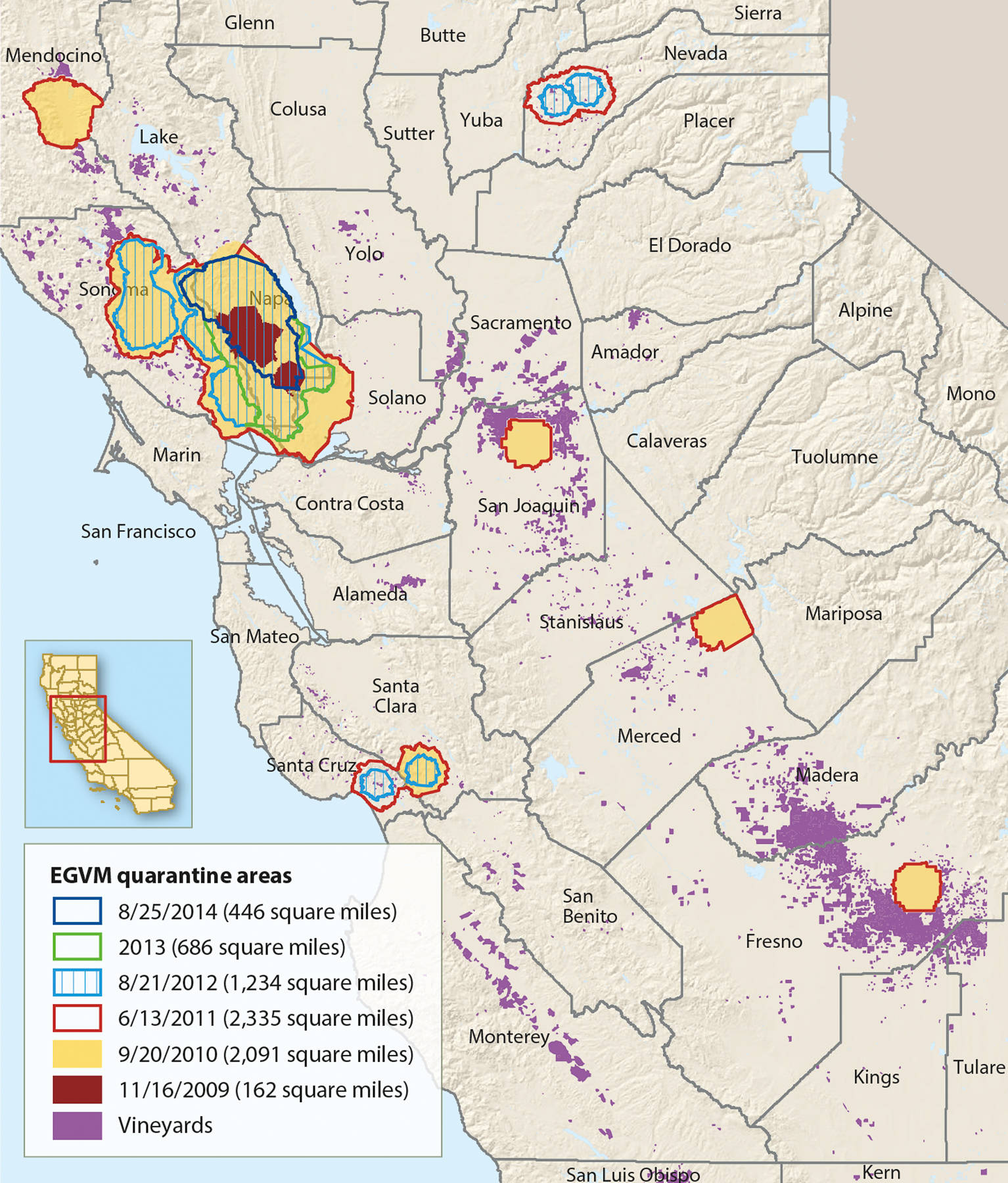
Historical progress  towards eradication of EVGM from California. University of California.
 Historical progress towards eradication of EVGM from California. University of California.

This massive, voluntary, cooperative effort was highly coordinated across the different counties of the state and it began to pay off.  In 2011 there were 2,335 acres quarantined because of the presence of the moth.  By 2014 that number was down to 446 acres.  By 2016 the pest was officially declared to have been eradicated.
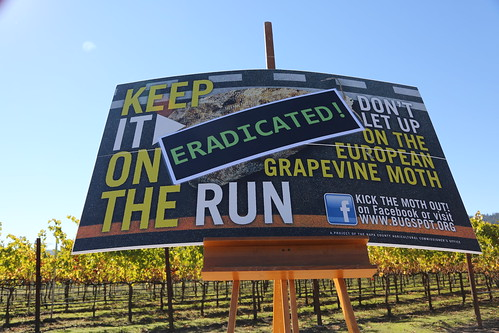


Figure 2 Victory Lap! (University of California)
Victory Lap! (University of California)


In the Dr Who shows the Daleks don’t ever seem to manage to “eliminate” humans, but in this story the humans managed to “eliminate” the alien pest. 


There have been some other historical examples where the humans were able to “exterminate” a new insect pest.  Another strategy that was used in some of these battles was the intentional release of sterile males of the pest species so that they so that they would out-compete the wild males trying to breed with the wild females.  This helped when the Mediterranean Fruit Fly came to California several times over the years.   


Another pest eradication success story had to do with a pest of cotton called the Pink Bollworm.  In that case in addition to the release of sterile males, pheromone confusion, area-wide “plow downs” and strategic sprays, the growers also had the opportunity to use lines of “Bt cotton,” genetically engineered to be resistant to the pest. 


Now unfortunately, it will never be possible to have this sort of victory over all the pests of grapes or any crops for that matter.  Still, when growers are only up against a familiar set of pests, they can achieve a sufficient degree of control to protect their livelihood, keep food affordable, and prevent the pest-related quality or food safety problems that would otherwise flow on down to the consumer level.


Tuesday, February 7, 2017

The Many Ways Farmers Control Pests

The post originally appeared on the Putting Pesticides in Perspective (PPIP) Blog on 2/7/17 on which there are also 6 related sub-posts

Whether a farmer is growing in an organic or conventional system, his or her crop needs to be protected from damage from plant pests (insects, fungi, bacteria, viruses, nematodes, weeds…). To fail to minimize pest damage leads to inefficient use of scarce resources like prime farm land, water, or inputs. The quality and safety of the final products can also be compromised.
While materials we think of as “pesticides” play an important role, modern agricultural pest management depends on a combination of several tools and strategies which, when used together, offer a more resilient, economic, and effective means of crop protection. Though some of these practices have been part of traditional farming, many are more recent innovations. The explicit design of these multi-strategy programs began in the 1970s, and the approach is now widely adopted as integrated pest management (IPM). The optimal IPM program varies widely by crop and geography; this post will describe some examples that highlight the various components.

The approaches used to implement IPM programs generally fall into six categories:
  1. Avoiding the pest
  2. Employing the plant’s own genetic defenses
  3. Modifying the climate
  4. Disrupting the pest's life cycle
  5. Fostering beneficial organisms
  6. Using targeted pesticide applications
A brief introduction to each of the six approaches follows with additional links to the more detailed presentations. Each post will link back to the list above.
  1. Avoiding the pest
Not all pests occur in all places either because they have not spread there or because they cannot flourish in the climate of a given region. Both of these limitations have been historically important factors to consider when deciding what crops to grow where, and these pest limitations continue to be important considerations for farmers. Long-term, this strategy is limited by climate change and by the extensive movement of people and goods around the world
Plants fight back against pests by evolving a variety of defensive strategies controlled by genetic traits. Built-in genetic resistance is an attractive form of pest control for farmers, but it is a resource that requires considerable effort to employ and stewardship to maintain as an effective part of an IPM program. For some crops, farmers can maintain a seed bank of genetic variation and draw upon it to keep ahead of the pest’s inevitable tendency to evolve around plant defenses.
When genetic resistance is available, it is generally wise to complement it with other IPM elements, such as pesticides, to avoid losing the valuable traits. For many crops, conventional methods of breeding are too slow and/or complex to easily employ genetic solutions. Traditional and advanced grafting approaches offer a dual plant genetics approach that has been quite useful in many systems. Advancements in biotechnology allow farmers to use same-species resistance genes in hard-to-breed crops as well as novel genetic approaches that have shown considerable benefit in the few cases where they have been allowed to-date.
In some cases, farmers can shift the microclimate in which the plant is grown enough to reduce the threat of certain pests. Various degrees of protected culture have been widely used to shield crops from rain and/or to shift the temperature regime to extend the growing season at either end. The nature of the plant canopy can sometimes be managed to reduce humidity, increase light or otherwise create a microenvironment that is suppressive to certain pests.
Several strategies for pest control center on making it more difficult for the pests to reproduce. These range from crop rotation to insect pheromones to removal of damaged or infested plant parts. Other approaches involve the release of male insects which are sterile so that the females with which they mate do not produce any offspring.
Even pests have pests, and often there are ways that farmers can encourage these natural enemies to help keep pest populations low enough to obviate the need for other control measures. Sometimes, it is possible to actively produce and add the bio-control organisms to the system.
Farmers can use a wide range of crop protection agents as part of an IPM system. In a great many cases, these agents are low hazard options in terms of environmental, beneficial, or human impact, but the use of all such agents is highly regulated on a national and state level. These crop protection agents are often important for preserving the utility of other IPM approaches, particularly genetic resistance. Farmers have many economic and practical incentives to only use these materials on an as-needed basis.
Pest control in agriculture is a multi-dimensional effort, and pesticides are just one of the important tools that farmers employ. Some of these tools have been in use for a long time and some are new. With climate change, the control of pests will become even more difficult. As the global population grows and standards of living increase, it will be even more important for farmers to avoid the sort of losses and food waste that pest cause. Fortunately, the toolbox available to fight pests is diverse and constantly improving.

You are welcome to comment here and/or to email me at savage.sd@gmail.com

Sunday, March 15, 2015

Why Organic Can't Fulfill Our Food Supply Ideals


Almost any farmer or consumer could agree on the following ideals for our agricultural system:

"Farming in ways that are best for us, best for the environment, and best for providing an adequate food supply."

I believe that these are the goals and ideals of organic customers and organic farmers, and I share them. If organic could deliver on these “triple best” goals, I would be among its strongest supporters, but I don't believe that it can.  The organic rules are based on the assumption that “natural” is always best.  That assumption originated in a pre-scientific era, and it does not hold up to what we have learned over the last century.  The "natural" definition is great for marketing purposes, but often not the optimal criterion to guide farming practices. 

The Original Contribution of the Organic Movement


The important contribution of organic early in the last century was its focus on improving soil health/quality.  The pioneers of the organic movement worked out certain farming methods using “natural fertilizers” to mitigate the nutrient-depleting and soil-degrading effects of the plow-intensive farming of the late 19th and early 20th century.  The organic focus on natural also meant that it eschewed some of the early pesticides, which were later found to be problematic for health and the environment.  For a period of time, organic may have been, in fact, the best farming option for us and for the environment.

A pretty picture, but for soil erosion and soil health this
kind of farming was highly undesirable


Since then we have learned more and more about environmental systems, genetics, microbiology and human health.  Based on that, increasingly rigorous regulatory processes were put in place and farming practices have changed dramatically.  Sometimes organic growers were in the lead in making those changes.  But increasingly, the “natural” constraints of organic are making it difficult or even impossible for organic farmers to implement what we now know to be best for us, best for the environment, or best for the food supply.  I'd like to describe six specific examples of those limitations.

1. Nitrogen Fertilization


One of the greatest challenges of farming is providing a growing crop with the necessary mineral nutrients when it needs them. When nutrients are free in the soil and not being actively absorbed by the growing crop, they have the potential to move into ground water, or to wash off into surface water.  If they do, they can become health issues and/or foster algal blooms that cause “dead zones” in bodies of water.  Excess nitrogen in soils can lead to the generation of the potent greenhouse gas, nitrous oxide. There are specific conditions under which natural fertilizers like manures or compost can reduce these problems, but there are also conditions under which the uncontrolled, nutrient release pattern from natural fertilizers can be quite problematic. Depending on how and when they are delivered, “synthetic” fertilizers can be deployed in ways that do a better job of providing the crop’s need without as much risk of these forms of pollution. For example, drip irrigation systems are very efficient ways to deliver fertilizers but cannot be used for most forms of organic fertilizers. Triple-best farming requires the ability to use both natural and synthetic fertilizers in the right settings and with the right delivery methods. There is even the possibility of making synthetic nitrogen using renewable energy.  

2. Low Risk Pesticide Use

What makes a pesticide safe for us or for the environment is not related to whether it is “natural."  Some of the most toxic chemicals known are produced in nature. The reason that the American consumer can have confidence in the safety of crop pesticide use is that the EPA demands a great deal of data for its multi-dimensional risk assessment for any chemical, natural or not, that is going to be used for pest control.  These tests involve multiple dimensions of human toxicity as well as assessments of environmental fate and environmental impact. Some, but not all “natural products” meet those standards.  Some, but not all, synthetic products meet those standards.  The details of how synthetic or natural pesticides can be used are then dictated in “label requirements” specific to the properties of that chemical (e.g. how long before the crop is harvested, what worker protection standards are needed, what considerations are needed relative to sensitive environmental settings…).  It is this regulatory process, not naturalness, which ensures environmental safety and residue levels that are safe even by very conservative standards.  In many cases the "synthetic" options are the very best choice among the approved options. 
(Note: the graph of California use data shown earlier has been removed.  Sulfur classified in that figure as Category II is actually Category IV for oral acute toxicity, Category III for dermal toxicity)


3. Fully Integrated Pest Control

Baby Spinach Growing In Coastal California

Organic farmers have been early adopters of many pest control options other than classical, chemical pesticides (genetic resistance, biological controls, crop rotations, natural pest enemies, and pheromone-confusion…), but at least since the 1970s, this has also been a growing component in “conventional agriculture” called Integrated Pest Management(IPM).  In many crop systems, modern synthetic pesticides are one important component in these mixed approaches.  For example, there is a problem in the current, California spinach crop, which has around 50% organic production.  There is a disease of that crop called downy mildew and it is transmitted from season to season via survival in the seed.  Through conventional breeding, it has been possible to develop spinach that is resistant to that fungus.  The conventional growers also use a relatively benign synthetic fungicide as a seed treatment against the disease - thus they are using an integrated program of genetics and a fungicide.  For the organic production, the seed treatment is not allowed.  Without the multiple control strategy, the fungus has rapidly mutated to get around the genetic resistance, and six good sources of resistance have been lost within a few years.  Each time, the newly virulent strains have emerged first in the organic fields. This gap in the IPM program is now putting the entire California spinach industry at risk.  There are similarly precarious situations in other crops.

4. Biorationals

It takes a lot of money to do the testing needed to commercially develop and insure the safety of any new agricultural pesticide - more than $200MM.  That level of spending is appropriate to meet our modern safety standards, but it means that the commercial development of any new synthetic pesticide can only be justified for a very large market within the agricultural realm.  For problems that only affect a small part of the food supply, it is not possible to justify the investment in a new option.  Fortunately, the EPA has a special, lower cost registration process for low toxicity chemicals that already occur within the food supply. 


The sprouts of potatoes are actually rather toxic, so don't eat them


A good example of this is a new product for preventing sprouting in stored potatoes.  The compound 3-decen-2-one already occurs in at low levels in potatoes as well as in mushrooms, tuna fish, yogurt and soy.  An identical, synthetic version of the chemical can now be used with stored potatoes and it is a better, safer option than the old sprout inhibitor, CIPC.  Because of a purist interpretation of the organic rules, the new sprout inhibitor cannot be used for organic potatoes.  Instead they are treated repeatedly with clove oil – a more costly and less effective option with no other “triple best” advantages.


5. Soil Building

Starting in 1960, farmers have been working out farming systems that do not require physical tillage of the soil.  When these are combined with the use of cover crops and GPS guided equipment use, it is possible to raise the important row crops (wheat, barley, canola, soybeans, corn, cotton…) in no-till or minimum-tillage systems that improve soil health and quality.  It is also an important “best” system to prevent soil erosion, reduce water pollution risk, and sequester carbon to mitigate climate risk. 

No-till Soybeans Following Corn


This system is much more like the way soils are built in natural prairie habitats and is not dependent on outside inputs of organic matter as is the case in the typical organic systems.  In order for these new options to be pursued efficiently on a large scale, herbicides are necessary as are controls for certain pests which are favored in a non-tillage system.  Organic growers don’t have many of the practical tools to manage these issues, and so they are ironically unable to fully or cost-effectively pursue these best, reduced tillage protocols.

6. Genetic Improvements

Genetic modification of crop plants has always been an important means of making farming better able to meet our food supply goals.  In recent history it has become possible to make more precise genetic modifications using the tools of genetic engineering – tools which were in fact drawn from nature. For example,  restriction endonuclease enzymes occur naturally and cut DNA at specific target sites, and the Ti plasmid of Agrobacterium which inserts DNA into chromosomes of plants.  In the last few years, even more precise and efficient tools for genetic modification have been discovered within a group of ancient microbes we call the Archaea (e.g. the CRISPR-Cas9system). 

Diagram of the CRISPR system via Wikipedia


As deployed within the unprecedented and rigorous regulatory framework for "GMO Crops", these tools have become an important means through which triple-best crop improvements can be made.  In her book “Tomorrow’s Table,” UC Davis molecular biologist Pamela Ronald has made an articulate argument for why these tools should be embraced for organic farming. But such suggestions are not even considered by the fierce defenders of the organic rules.  Even when genetic engineering is used to transfer something like a gene from wild potatoes into commercially relevant potatoes, the resulting triple-best crop will not be available to organic farmers (as in the case of the new, Innate 2 potato from Simplot)
European experiment showing healthy potatoes on the left that have the wild potato gene vs susceptible potatoes on the right without that gene


 A Missed Opportunity to Embrace Best Practices by Organic


There was a window of opportunity in 1990 when the organic rules could have been updated to use science-based criteria rather than the restrictive obligation of natural.  In that year, the US Congress tasked the USDA with formulating a national organic standard, and that research-oriented agency was inclined to bring modern knowledge into their rule-making process.  Such an approach was vigorously opposed by key elements of the existing organic advocacy community.  When the national standard emerged in final form in 2000,  at had only enshrined the "natural requirement" which continues to limit the ability of farmers to pursue many triple-best strategies such as those I’ve described above. 

Unfortunately, some of those who market organic products, and some who advocate for organic, continue to make unsupportable claims that organic is best for us and for the environment.  Many consumers accept these claims and believe that they are doing the right thing by paying the premium prices for organic items.  If we really had a food supply that was only safe and responsible for those able and willing to pay higher prices, that would represent a huge failing of public policy.  Fortunately, that is not the case.  Consumers and farmers with high ideals for the food supply can support farming in the ever-innovative mainstream system as it continues to find ways to farm that are best for us, best for the environment.

You are welcome to comment here and/or to write me at savage.sd@gmail.com