Showing posts with label grapes. Show all posts

Friday, October 4, 2019

Exterminate!

(This piece was originally posted on the POP Agriculture Podcast 9/19/2019)


The Tardis (photo by  Zir, Wikimedia Commons )
The Tardis (photo by Zir, Wikimedia Commons)


The show has been running on the BBC since 1963, and part of what makes that long run possible is that the Doctor has the ability to be re-born from time to time with a different human body (although supposedly with two hearts).  There have been 13 different stars playing the part of The Doctor, and the most recent one is Jodie Whittaker (#13), the first female. I just finished binge watching that season to catch up! Other recent leads have been David Tennant (#10), Matt Smith (#11), and Peter Capaldi (#12).

Hard core Doctor Who fans call themselves “Whovians,”   The Urban dictionary puts it this way:  A few easy ways to tell if someone is a Whovian are: Turn off all the lights while repeating "Hey, who turned out the lights?", moving statues around while they aren't looking or telling them not to blink while staring at a statue, yelling exterminate at them in a freaky as hell robot voice, and watching how they react. If they start screaming they're most likely a Whovian.” 


So, what’s the “exterminate” thing about?  There are new and different “bad guys” for the Doctor to out-wit in most episodes, but throughout the years of shows, a frequent “threat to the future of humanity” has been a strange race of robotic space beings called the Daleks.  Back in the earliest, obviously low budget days of the show, the Daleks looked a lot like modified trash cans (I guess “dust bins” since it’s British) with toilet plungers for arms.  That basic, funky, Daleck look has been preserved over the history of the show as has that creepy chant that of theirs: “Exterminate! Exterminate! ….” 
Dalek image by Nelo Hotsuma from Rockwall [CC BY 2.0 (https://creativecommons.org/licenses/by/2.0)]


So the Daleks of Dr. Who are a classic example of fictional, pop-culture aliens who are out to exterminate humans. There are also many examples of pop-culture stories of humans trying to “exterminate” some sort of alien invaders.  On today’s POPagriculture podcast we are going to talk about a real world story about how humans successfully managed to “Exterminate” some alien invaders who were threatening the grape industries of California.

Standard Intro

So, in California there are lots of farmers who tend 880,000 acres of grapes.  These include those that are specifically for drying to make raisins.  Other grapes are grown as a nice, fresh, mostly seedless snack.  Throughout the state there are also various “appellations” for wine grape production.  Together these crops bring in about 5.8 billion dollars a year to the state’s economy. These products are loved by not just Americans but by people around the world.  California has nearly ideal climatic conditions for each of these grape categories, and since they are relatively drought tolerant they are a good fit for our limited water resources.  One nice thing is that we don’t have much rain during the summer and so we don’t have to deal with some difficult fungal diseases that are a big challenge in places like Europe.  There are still certainly pests that have to be dealt with, but the grape industry has always been a leader in doing that is a sustainable way.

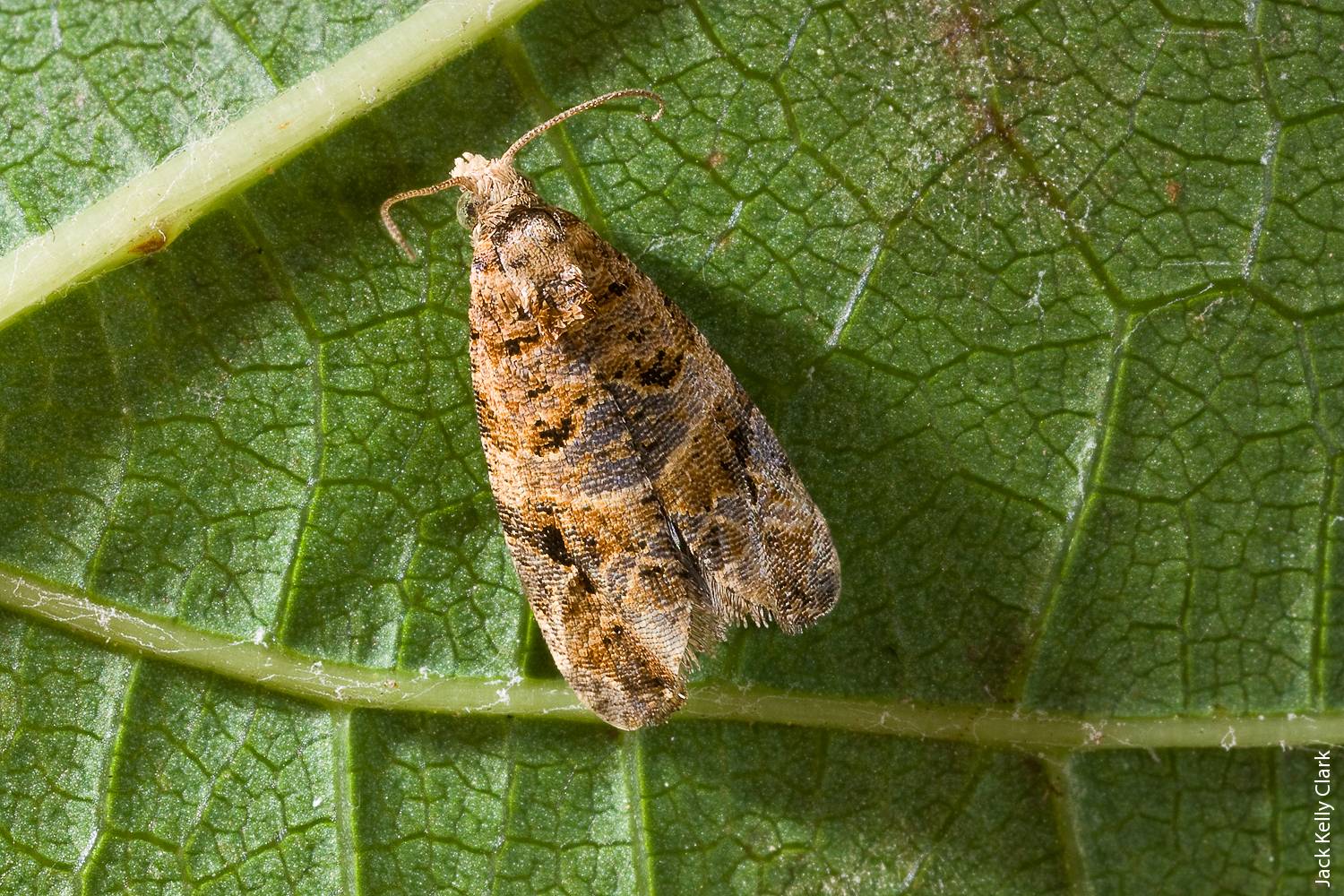
Lobesia:  European Grapevine Moth image by Jack Kelly Clark , University of California Extension
Lobesia: European Grapevine Moth image by Jack Kelly Clark, University of California Extension
So that’s the background, but the drama for our story began in the summer of 2009 in a famous, premium wine grape-growing region called the Napa Valley.  One of the growers there spotted a caterpillar munching away on some of his grapes.  Now there are several kinds of moths that can be pests of California grapes, particularly during their larval stage as caterpillars.  But the grower noticed that this one didn’t look like those familiar types. Being suspicious he sent a picture to a county extension agent – a kind of University employee whose job it is to support the industry with research and advice.  It turned out that was a new kind of moth to California – an alien invader!  Ok, not a space alien, but scary from the perspective of grape farmers.  It was called the European Grapevine Moth or “EVGM.” As its name implies it has been a pest in that continent for a long time.  That name doesn’t sound scary enough for our story so lets use the scientific name, Lobesia botrana.


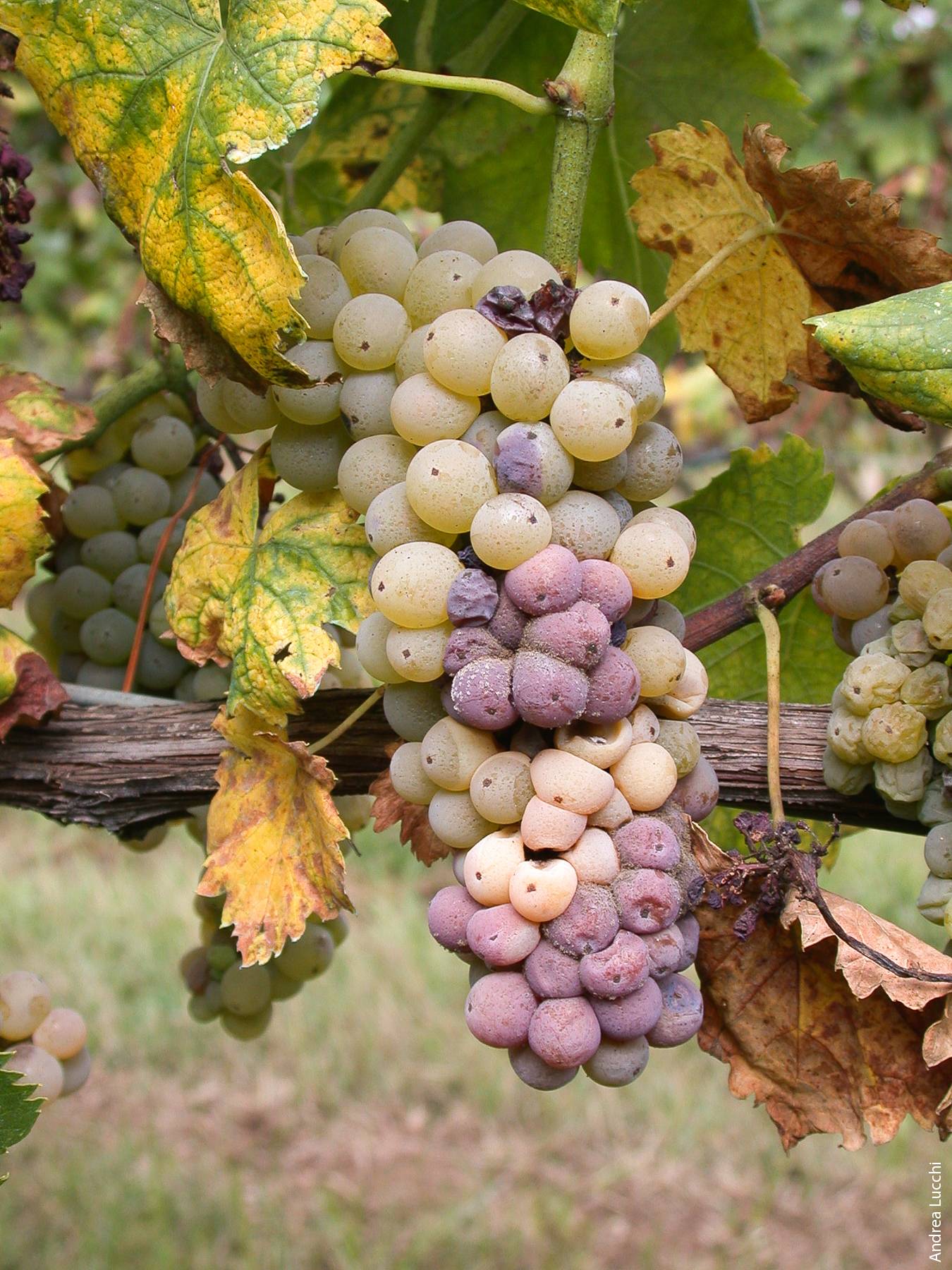
Now the thing is that this wasn’t just another moth.  The caterpillar stage of this bug would do a lot more damage to the grape clusters than the other moth species and that would mean nice things like “frass” or insect poop on the grapes or later the raisins.  To make matters worse, the feeding opens the way for fungi that rot the grapes and that kind of infection can spread from berry to berry throughout the cluster.  This would make it a lot harder for the raisin growers to have a high quality product, it would mean a lot more food waste even all the way to the consumer level for the table grapes.  Moldy grapes definitely don’t make for high quality wine!

Rotting grape image by Andrea Lucchi , University of California
Rotting grape image by Andrea Lucchi, University of California


Now of course there wasn’t an extraterrestrial “Doctor” to lead this campaign, but even Dr. Who drafts a team of regular humans to help defeat the aliens.

In this case the team comprised representatives of the grower communities, university experts and government employees from the relevant state and federal departments. They held an emergency meeting and decided that they wanted to see if they could come up with a way to not only stop the spread of the pest, but if at all possible to completely eradicate it from California.  Eradicate! Doesn’t sound quite as harsh as “exterminate!” but it’s essentially the same idea.


In order to see what they were up against, sixty thousand “Sticky traps” were distributed state wide at a density of 39 per square kilometer in vineyards and 10 per square kilometer in residential areas. In the next 2010 growing season they found 100,000 moths in several California counties.  This was going to be a big challenge!  Only a comprehensive strategy with broad participation would give any hope of winning.  So the team developed a multi-prong strategy:


Those sticky traps continued to be used to monitor progress, but they were careful to use red colored traps because they are much less likely to accidentally trap honeybees.


It was important to find ways to limit further spread of the aliens. The adult moths can fly, but they don’t tend to fly too far as long as they can find the grapes they want. Quarantine rules were set up to prevent fruit, farm equipment, recycled fence or grape posts, or other things that might allow the pest to hitch-hike long distances. It turned out that the moth larvae could survive the stemming and crushing and even pressing of wine grapes – so it was critical not to move around those by-products of the winemaking process.


They also used an approach called “pheromone confusion” that was set up on an area-wide basis where the Lobesia had been found.  This involves putting up emitters of the specific sex hormone for this moth so that the males are getting so many “scent trails” that they rarely actually find a female to actually mate. 


There were lots of outreach programs to get everybody up to speed on the situation and to know their role.  This included grape growers, wineries, and fruit or raisin packers, and pest control advisors. The outreach also had to include on the order of 3,000 homeowners because they also needed to cooperate, especially if they had backyard grapes, as many did. The coordinated task force would help those owners to treat their grapes or remove their fruit so that they didn’t become a reservoir to then fan out into the commercial vineyards. Not only were there public meetings to reach all these groups, there was a Facebook page and a website at www.bugspot.org.


The researchers developed a sophisticated “degree day model” to predict when each of the 3-4 new generations of moths would be coming out so that insecticide sprays could be timed just right, not only to protect the crop, but to prevent the moth numbers from really blowing up as they would if not strategically checked this way.  Almost all of this spraying was done on a voluntary basis at the grower’s own cost.  In Napa and Sonoma in 2012 the growers treated more than 12,000 acres.  The organic growers also sprayed using the insecticide options that are allowed under their rules.  


The combination of the quarantines, the pheromone confusion and the well-timed insecticide sprays achieved what is called an “allee effect” in population biology lingo.  This is when the population size gets down to the point where there are too few of the pests in a given area to successfully mate.
 

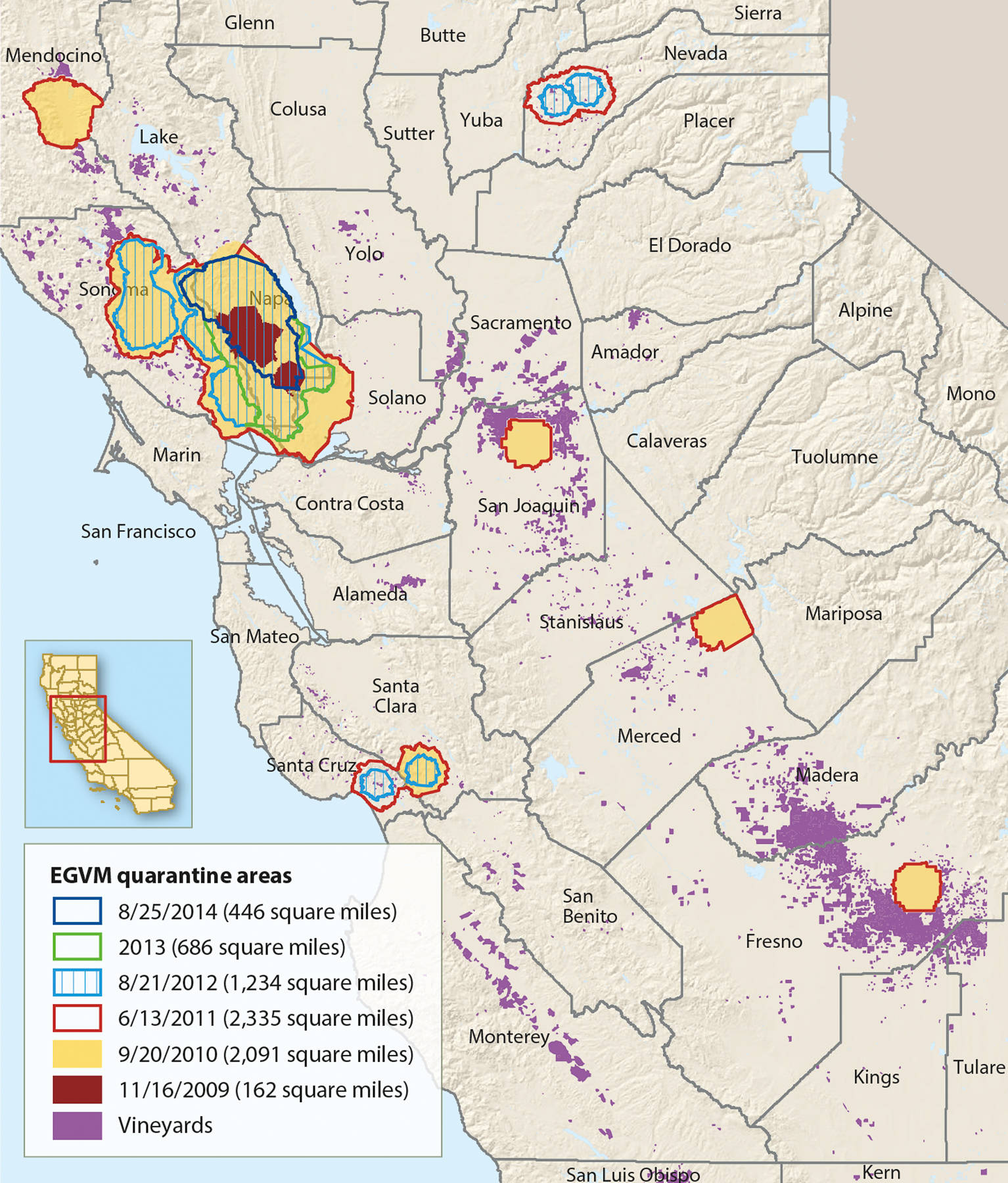
Historical progress  towards eradication of EVGM from California. University of California.
 Historical progress towards eradication of EVGM from California. University of California.

This massive, voluntary, cooperative effort was highly coordinated across the different counties of the state and it began to pay off.  In 2011 there were 2,335 acres quarantined because of the presence of the moth.  By 2014 that number was down to 446 acres.  By 2016 the pest was officially declared to have been eradicated.
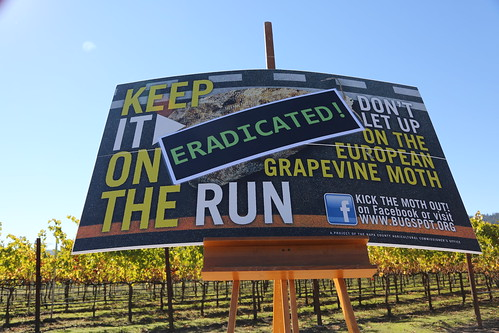


Figure 2 Victory Lap! (University of California)
Victory Lap! (University of California)


In the Dr Who shows the Daleks don’t ever seem to manage to “eliminate” humans, but in this story the humans managed to “eliminate” the alien pest. 


There have been some other historical examples where the humans were able to “exterminate” a new insect pest.  Another strategy that was used in some of these battles was the intentional release of sterile males of the pest species so that they so that they would out-compete the wild males trying to breed with the wild females.  This helped when the Mediterranean Fruit Fly came to California several times over the years.   


Another pest eradication success story had to do with a pest of cotton called the Pink Bollworm.  In that case in addition to the release of sterile males, pheromone confusion, area-wide “plow downs” and strategic sprays, the growers also had the opportunity to use lines of “Bt cotton,” genetically engineered to be resistant to the pest. 


Now unfortunately, it will never be possible to have this sort of victory over all the pests of grapes or any crops for that matter.  Still, when growers are only up against a familiar set of pests, they can achieve a sufficient degree of control to protect their livelihood, keep food affordable, and prevent the pest-related quality or food safety problems that would otherwise flow on down to the consumer level.


Monday, August 11, 2014

Why Biotech Should Be Employed For Crop Disease Resistance

Glassy-Winged Sharpshooter - Vector of Pierce's Disease of Grapes

Most of the “GMO Crops” that have been commercialized are either insect resistant or herbicide tolerant.  Biotechnology can also be used to generate crops that are resistant to plant diseases.  So far, there are only two examples of disease resistance available to farmers: the papayas resistant to ringspot virus and squash resistant to zucchini yellow mosaic and watermelon mosaic viruses.  That narrow offering is not for a lack of need or technical potential.  In fact, biotech approaches could uniquely address some of the most significant disease issues in global agriculture.  The limitation mainly reflects the success of the anti-GMO movement in creating controversy.  This has induced brand-sensitive food system players to use their leverage to prevent the development or introduction of “GMO” disease resistant versions of crops where they would make the most sense.

If we let ourselves imagine what could be, there are three important categories of plant disease of particular interest for the use of genetic engineering:
  1. Systemic diseases spread by insect vectors
  2. Diseases of crops for which conventional breeding is far too slow and/or disruptive to key quality attributes
  3. Crop diseases which are not amenable to safe and effective chemical control

 Systemic diseases spread by insect vectors

Fungi cause most plant diseases, but plants can also be infected by viruses and bacteria.  In most of these cases, specific insects spread the pathogens from plant to plant in much the same way that the Aedes aegypti mosquito spreads a human disease like Yellow Fever.  For plants, the vector insects are the ones that use specialized mouthparts to penetrate plant cells to suck out nutrients – things like aphids, thrips, mealy bugs and psyllids.  The viruses or bacteria have specific associations that allow them to be picked up from an infected plant on the mouthparts of the “bug” and then released inside of the next plant.  Those infections can severely damage the plant and even kill it.  In many cases, the only way such diseases can be controlled is to use insecticides to kill the vectors.  Often it requires nearly complete insect control to adequately protect the crop.  That means intensive insecticide use in some cases, but in other cases it isn’t feasible to stop the spread of the disease.  That was the case with papaya ringspot virus which was seriously compromising production Hawaii in the early 1990s - the farmers were fighting a losing battle to save their plantings.  The introduction of transgenic virus resistance in 1998 saved the papaya industry.  Currently there is a new, deadly, bacterial disease of citrus which is threatening the orange industry in Florida.  Insecticide programs have only slowed the progress of the disease, and without something like a transgenic solution, that industry will soon collapse.  Another bacterium is threatening the California wine industry because of the introduction of a more problematic vector in the late 1980s.  Insecticide programs and quarantine programs are limiting the issue to Southern California for now, but it would be much more desirable to have a resistance option to deploy to protect the key production areas to the North.  Laurel Wilt disease of avocado is another similar challenge.

Diseases of crops for which conventional breeding is far too slow and/or disruptive to key quality attributes


One of the main ways that plant diseases are managed is through conventional breeding programs.  This can be quite effective, particularly for annual grains or vegetables for which breeding programs can progress fairly quickly.  For a crop like potatoes, breeding is difficult and slow because the plants don’t normally make any seeds.  That is why the 100+ year-old Russett Burbank is still a major commercial cultivar. There is a severe disease called Potato Late Blight which caused the infamous Potato Famine and which requires very frequent fungicide applications today.  There are genes for resistance in wild or semi-wild ancestral potatoes in the Andes, and using biotechnology, such genes have been moved into the potatoes we now grow, at least on an experimental basis.  This trait involves a potato gene in a potato.


Coffee also has a major rust disease that is causing increasing problems in the high quality, “Arabica” coffee production areas of Central and South America.  There are resistance genes in various other coffee species around the world, but to move those traits into high quality lines requires things like chromosome doubling and decades of back-crossing.  If the genes were moved via genetic engineering methods, the end result would be a coffee-based resistance gene in a coffee variety with a well-characterized quality background.

Bananas are an extreme case where genetic engineering would allow moving a resistance trait from some non-commercial, seeded banana, into the seedless banana of commerce which is threatened by Panama Wilt and other diseases. Similarly, genetic engineering may be a way to deal with something like Frosty Pod in cacao without compromising quality attributes.

Even with a crop like wheat, there are so many different types for different uses around the world that it would be helpful to speed up the breeding process for the new, UG99 Wheat Stem Rust threat, which is moving around the world.  A desirable gene found in one category of wheat (e.g. Hard Red Spring) could be moved to elite breeding lines for other types like Durum or Soft White Winter.

Diseases that are not amenable to safe, effective chemical control

There are many crop/disease combinations that can be effectively controlled using fungicide treatments with low mammalian toxicity and low environmental impact.  However, there are some diseases that are not amenable to that sort of control.  A disease of tomatoes, called Bacterial Leaf Spot, is a big issue in wetter growing regions like Florida.  It is currently managed with a combination of biological agents and copper-based products, but coppers are not as safe as most modern pesticides.  Foliar bacterial diseases do not comprise a large enough global market to justify the investment of >$200MM that it takes to develop a new synthetic pesticide.  There is a very effective resistance gene for this disease in peppers, but although they are related to tomatoes they are too distant for conventional cross-breeding.  That pepper gene has been moved to tomato and the plants performed well in field tests.   Fusarium Head Blight of wheat is a serious disease risk that limits the feasibility of adding wheat to Midwestern corn/soy rotations.  That disease is difficult to control with fungicides, but there was once a nearly commercialized trait for resistance.  

There are a number of crops including field corn that can be infected by the opportunistic fungal pathogen, Aspergillus flavus, when there has been drought stress and/or insect damage.  Fungicides are not very effective against this problem, and the aflatoxin that the fungus can produce renders the grain unsuitable for normal feed or food uses.  Indeed, aflatoxin is one of the leading causes of death in the developing world where it can contaminate important food crops like maize or peanuts.  There are several ideas for how to address that issue with biotechnology.


Biotech crops have been planted on hundreds of millions of acres of land each year since 1996.  Many generations of animals have been raised on these crops both in the countries where “GMO” crops are grown, and also in the EU, Japan, China and many other importing regions.  The arguments against this basic technology have not proven to be of actual concern.  At some point, we should be able to start applying these well-tested technologies to the prevention of problematic diseases that affect crops. 

Glassy-Winged Sharpshooter image from California Department of Food and Agriculture
Corn infected by Aspergillus image from Iowa State University

You are welcome to comment here and/or to email me at savage.sd@gmail.com.  I may not be answering comments quickly as I'm on vacation in Colorado :)