Showing posts with label Pesticides. Show all posts

Wednesday, November 25, 2020

The European Union's Wine Grape Quandary


The European Union has recently published a lengthy "Farm to Fork Strategy" which sets out ambitious goals for its agricultural sector. One part of the agenda is to reduce the use of pesticides either by restricting the way they can be used or in many cases by not authorizing their continued use when those particular chemicals come up for periodic review by regulators. Often these restrictions are at odds with the rigorous safety assessments that have been made by many regulatory bodies around the world including the US EPA. Another part of the agenda is to encourage the expansion of Organic farming. There are several reasons why this plan will cause serious complications for European farmers, and since the EU is a major importer of food, feed and fiber crops, the restrictions that it applies to various grape pesticides will also be a problem for farmers around the world who export their crops to the EU market.


Many crops will be affected by this agenda, but one interesting case-study is what this push will mean for the prominent and highly regarded wine grape industry in the EU.  Wine grapes only represent around 3% of EU farmland, but around 20% of total EU pesticide use. There are several reasons for this relatively intensive use of crop protection products.  For one thing wine grapes are a very high value crop so growers can afford to use more products to optimize the yield and quality of their fruit. But there are also important historical and genetic reasons why certain pests represent a particular challenge for the European grape industry. 


With most crops, breeding is an important strategy to help with pest problems, notably when that involves tapping into the genetic diversity available in various wild relatives of the cultivated crop. With wine grapes the breeding option has essentially been "off-the-table" because of the long tradition which has identified very specific Old World grape varieties of the species Vitis vinifera which have been found to provide the highest quality for the weather and soil conditions of each growing region or "appellation." The long-term history and tradition of growing specific grape cultivars in each region is often called "terroir" and this is not anything the industry wants to change because it needs to meet consumer expectations and marketing narratives about wine quality.


Interestingly in the 1870s there was a dramatic change to the genetics of European grapes.  A root feeding insect called Phylloxera was inadvertently transported to Europe from North America. The various wild species of grapes that evolved alongside Phylloxera are fairly resistant to the damage from that specific insect pest. (The most familiar example of this kind of grape is a species called Vitis labrusca which consumers know as Concord Grapes because that is the kind of grape used to make non-alcoholic grapes juices such as the famous brand - Welches). The native American grapes are not considered to be that good for making high quality wines, but some hybrids between the two species are grown for wine in the Northern US in areas that are too cold for Vitis vinifera.  The Vitis vinifera grapes of Europe evolved without the challenge from Phylloxera so once the pest crossed the Atlantic the vineyards were highly susceptible to its damage and began a steep decline.  The only way the industry was able to be saved was by grafting the vinifera cultivars onto "American Rootstocks."  Grafting is a horticultural technique that has been practiced for centuries, but it was only with great reluctance that the European growers took that step. 


A grafted grapevine, image from Washington State University Extension


Around the world today virtually all wine grapes are grown on these "American" rootstocks because they can provide protection from soil-borne pests while allowing the traditional varieties to achieve the desired fruit qualities that made them so desirable. Rootstocks are used for almost all perennial crops and also for high value vegetable crops like fresh market tomatoes.


There are also two serious foliar diseases that also made the jump from North America to Europe in the 1800s. The first was a disease called Powdery Mildew and it causes loss of yield and quality as it grows on the exterior of the leaves and fruit.  Vitis vinifera is highly susceptible to this disease.


Grape Powdery Mildew infection of a developing grape cluster. Photo by Laura Jones/Univ. California, Davis


The solution that was found is probably the oldest known pesticide, elemental Sulfur.  This "natural" mineral product was found to control the disease but only if the grapes were "dusted" with something like 10 pounds/acre of sulfur every 7 to 10 days for much of the season until the fruit begins to ripen (a stage called veraison in grape-speak).  Sulfur is not very toxic to eat or drink, but it is an eye and skin irritant that can make it quite unpleasant to work in a vineyard. There is also some evidence that as with other dusts, sulfur can increase the risk of asthma among the children who live near the places were dust products are applied. California has recently restricted the use of sulfur and other dusts near populated areas. "Wettable" forms of sulfur can still be used without the respiratory problem and that is still a part of integrated pest management systems for grapes.  However; most modern grape growers use sulfur more sparingly because newer and more effective "synthetic fungicides" have been developed which require far smaller doses at longer intervals and which are in the EPA toxicity class IV described as "essentially non-toxic" by ingestion. I remember a time in 1978 during my second season being out in California vineyards for my graduate research that I was amazed to smell a beautiful floral aroma during the grape bloom period - something I had not experienced the season before. It was because I was in a block treated with the first example of these new fungicide options instead of the normal odiferous and irritating sulfur. I have a podcast about that event.  Grape growers who choose to grow for the organic market are not allowed to use these more modern tools and must therefore depend on high use-rate options like sulfur and something called "petroleum distillates" (think mineral oil for the later).  Thus, this is just one example of how the EU Field to Fork strategy embodies conflicting goals if it wants to reduce pesticide use and the push for more organic production.


Grape Downy Mildew sporulating on the bottom of a leaf. Photo by Mark Longstroth, Michigan State Univ. Extension

There was another "intruder" fungus pest that originated on North American grapes and then caused even more severe problems for the European industry in the 1870s.  It is called downy mildew.  The solution that was ultimately found to this disaster was another very early pesticide. It was discovered by a French botanist named Pierre Millarday who noticed a particular vineyard along a roadside that stood out by exhibiting much less damage from the new disease. He learned that the grower had applied copper sulfate combined with lime as a way to make the fruit look unappealing so that people passing by would stop helping themselves to his grapes (you can see an image of this blue coating in this article in Wine Spectator).  


That "natural" pesticide became known as the Bordeaux mix and it saved the grape industry.  It was also a much-needed solution for a related disease on potatoes that had cause the famous Irish Potato Famine in the same era.  Various copper-based products do work against these pests and many are approved for use in organic production, but unfortunately they are quite toxic to aquatic organisms and are persistent in the environment since the mineral copper is copper and it isn't going to break down to innocuous components the way that many other natural or synthetic chemicals do over time. After years of use, copper fungicides build up in vineyard soils and can become toxic to grape roots. Many European organic growers have had to abandon their organic status because of these soil issues.  Copper fungicides also require high use-rates (4-6 pounds/acre) and frequent applications because the copper is easily washed off by rain. 


Once again, many low toxicity, highly effective and environmentally safe synthetic fungicides that have been developed to fight downy mildew, but those options are not allowed to be used by Organic growers. European regulators are not fans of these copper fungicides, but their politicians have made exemptions for their own grape growers while at the same time setting up barriers to more benign products that have met rigorous standards in other countries.  


Organic growers also have limited options for the control of mold fungi that can infect the grapes as they become ripe. That sort of "bunch rot" is very bad for wine quality, but a disease that is well addressed with safe, modern synthetic fungicides while organic growers still depend on things like copper. Chemical herbicides are also desirable for grape production so that there isn't a need for erosion-causing mechanical plowing to take care of weeds in the vine rows. Tillage is still the main option for Organic growers. So, in all these cases the EU's pesticides and organic goals are in conflict with one another when it comes to that iconic industry


As mentioned earlier, there are several wild grape species that are more resistant to powdery and downy mildew. Theoretically traditional breeding methods could be used to transfer some of those genes. Conventional breeding of grapes is possible but slow, and it has been used to develop things like seedless table grapes with new colors and flavors.  Some new wine grape varieties with disease resistance from wild grapes have been developed by breeders working for the University of California, and they were repeatedly "back-crossed" so that the final result was a variety with 95% vinifera genes. But because of tradition and some remaining wine quality questions, almost all the wine grapes of that state and other grape growing regions around the world are still the traditional European varieties.


With modern genetic technologies it is now possible to work with only one or a few genes from the wild grape species that confer pest resistance and do so without any effect on the thousands of other genes in the storied cultivars. This sort of precision is now much more feasible because of the genome editing technologies that are generating excitement for many applications in both medicine and agriculture.  But the EU as a whole has been very resistant to accepting "GMOs" methods even though their own scientists have long argued that such changes do not represent any greater risk to public health or the environment than do traditional means of breeding. Scientists at Rutgers University and with the USDA are working now on using this approach to get downy mildew resistance into Chardonnay. 


There is some hope in the scientific community that European activists and political authorities will take the logical step of saying that they can consider these modern genome editing technologies differently from how they responded to first generation genetic engineering methods. There is at least a promising mention of such technologies in the EU's Farm to Fork Strategy


"In response to the request of Member States, the Commission is carrying out a study which will look at the potential of new genomic techniques to improve sustainability along the food supply chain."


Some are even optimistic that traditionally anti-GMO groups will make a distinction for the new methods. Ideally the EU might take reasonable approach of combing state of the art genetics with the sort of low hazard synthetic chemical options that would still be important in order to avoid selecting for fungal resistance to traits a grower would need to last for decades in a new vineyard planting.  That would also relieve the wine industries in other countries from having to cater to EU trade barriers in the choices they make about how to produce their crops.


Europeans are not likely to abandon their taste for wine and they don't have to in order to pursue their legitimate goals.  Organic isn't the solution here.  Instead what is needed is respect for the science and more effective communication of the actual safety story behind modern agriculture.  There is an excellent explanation written by the European Food Safety Authority (EFSA) that describes how robust the approval system is for safe pesticide standards, and this is confirmed by academic experts as well. But all too often in Europe, politics trumps science. Let's hope we might someday raise a toast to a more constructive and science-driven solution to the EU's grape quandary.




Wednesday, March 15, 2017

Conventional Produce Is Not Dirty, But The Marketing Tactics Of Big Organic Are

Spinach - a crop that is getting a bum rap (picture by Victor M. Vicente Selvas)


(This post originally appeared on Forbes on 3/13/17)

For each of the last twenty years, an organization called the Environmental Working Group has issued what it calls a “Dirty Dozen List.” It names crops it claims to have high pesticide residues and recommends that consumers purchase organic versions of these crops. They base their list on a seriously distorted interpretation of a taxpayer-funded testing program called the PDP (Pesticide Data Program, USDA). What the PDP actually documents is that our food supply is extremely safe. EWG has repeatedly been called out for promoting this science-free list and for the counter-productive effect it is having on produce consumption by Americans. Yet, EWG persists in employing this strategy as a means of fund raising. Presumably it also serves the interests of their corporate funders in the organic food industry (see list below).  Note that these are very large, processed food players with only one produce company in the list.


The real "dirty dozen"

In its latest campaign, EWG is singling out a few crops for added demonization – notably spinach. They highlight certain specific chemicals that were detected in spinach samples by the USDA in 2015. I have looked in detail at this same, publicly available data. It turns out that 7% of the 2015 spinach samples were organic. The very same chemicals that EWG choses to talk about were found on those organic samples. As with virtually all of the residues found on all crops, the quantities that the USDA analytical chemists found were at very low levels - well below any possible level for health concern. Still, it is ironic that the same flawed logic that EWG uses to scare consumers away from perfectly safe conventional spinach says that they should also avoid the organic alternative.


Bagged Baby Spinach (CCO Public Domain)


Experts agree that one of the best things we can do for our health is to consume a lot of fruits and vegetables (here is one example of why that makes sense). Sadly, all too few Americans do that. Spinach is one of the more popular vegetables that can help move consumers in the right direction, particularly since it has become available as a convenient fresh, pre-washed option. Discouraging consumption of any kind of spinach is a notably irresponsible thing to do, particularly through disinformation. An industry group that represents both conventional and organic produce companies (and many are both) offers an on-line calculator using the USDA’s data and legitimate toxicological information. With this tool consumers can visualize just how safe products like spinach actually are. For instance, a child could safely eat up to 310 servings of spinach a day without negative effects from the trace chemicals on that crop.

Aphids on spinach (Image by demintedmint)
As I wrote last week, organic and conventional produce are actually quite similar when it comes to the presence of low levels of pesticide residues. Because EWG singled out spinach in its recent fund raising email campaign I thought it would be worthwhile to get into the details for that crop.

For instance, EWG focuses on the synthetic pyrethroid insecticide, permethrin, which it calls a “Neurotoxic bug killer.” That sounds scary, but pyrethroids all have the same mode of action as the natural product called pyrethrin derived from Chrysanthemums (pyrethrin is used on organic crops).  As a class the pyrethroids are only slightly toxic to mammals and are considered safe enough to be in many household, garden and pet products sold to consumers.  One of the synthetic versions, Permethrin, is among the most used crop protection agents on spinach to prevent damage from caterpillar pests and infestations with aphids. These are not things we would like to find in our salads!

The USDA detected an average of 0.8 parts per million of permethrin on the 2015 conventional spinach samples. That is only 4.2% of the conservative tolerance set by the EPA, meaning it isn’t even close to something to worry about. On the organic samples from the same season, the USDA detected an average of 0.9 parts per million permethrin– essentially the same level as with conventional.

EWG also calls out the fact that traces of DDT and its metabolites were found in some spinach samples. These are unfortunate, long-term soil contaminants still slowly decomposing decades after that old product was banned. Their presence is certainly not related to whether the current spinach crop is grown conventionally or under the organic rules. Fortunately, the levels are tiny – seven parts per billion for the conventional and 11 parts per billion for the organic. These are only 1-2% of the level that the EPA considers to be of concern.

Permethrin and DDT are the products detected on spinach that the EWG chose to talk about. There were residues of 30 other synthetic pesticides on the organic spinach in 2015. The USDA does not test for at least two dozen other organic-approved pesticides that are used on spinach (biocontrol agents, mineral compounds, natural product chemicals). None of this means that organic spinach is “dirty.” Conventional spinach isn’t “dirty” either. What is “dirty” is the tactic is telling consumers they need to buy organic because of residue concerns without acknowledging that the organic products have similar, low-level residues.
In my opinion the "Dirty Dozen" should refer to the eleven big-organic companies that support the EWG and the EWG itself.

You are welcome to comment here and/or to email me at savage.sd@gmail.com


Thursday, March 9, 2017

The EPA Deserves Some Respect


Do you remember how comedian Rodney Dangerfield always used to say: “I can’t get no respect!” Lately that is how it seems for environmental regulatory agencies like the EPA.  I feel as though we need to defend the very idea of sound regulation against three intensifying challenges:
·      threats of defunding or arbitrary rollbacks coming from some on the populist-right
·      a denial of the progress that has been made by some on the eco-left, and
·      a severe under-appreciation of our legacy of environmental protection by American society as a whole

I certainly can’t defend or critique all regulation, but as an agricultural scientist I have observed four decades of a reasonably function federal and state level regulation of pesticides and other crop protection agents.  I’m not saying that system is perfect, but I have witnessed how it has greatly advanced the health and environmental profile of this sector.  I’ve watched the sifting out of problematic practices in response to increasingly sophisticated scientific understanding.  I’ve also watched how this system has provided a framework that that encouraged the private investment and innovation needed to bring farmers better and safer tools with which to protect their crops and thus our food supply.

I speak here strictly as an individual not trying to speak for any company or organization. I have had a long career in this sector.  I’ve never had a regulatory compliance role as such, but I’ve been involved in the process of finding and seeking regulatory guidance and/or approval for products based on synthetic chemicals, natural product-based chemicals, and live biological control agents. I’ve interacted with dozens of employees of the EPA, the California Department of Pesticide Regulation and other state-level regulators. Yes, my industry connections and experience gives me a certain bias, but it also gives me some practical and historical perspective from which to share.

I believe that our goal should be to refine our regulatory processes, not to dismantle, dismiss or fail to appreciate them. To pursue that refinement goal I believe that there are four principles of sound regulation that can be learned from this example.  Good things can happen when we have:

1.     A system that is consistently guided by science and adjusted as scientific understanding evolves
2.     A system where regulatory decision making is reasonably free from political pressures and agendas
3.     A system which focuses on managing the risk of harm, rather than on based on hazard out of the context of real-world exposure
4.     A system which maintains perspective on benefit/cost trade-offs
5.     A system which is sufficiently predictable and timely so that it remains rational to make a substantial and continuing private-sector investment in the development of innovative new solutions


A few years ago I gathered historical information about the pesticide use on what is still one of my favorite crops – California wine grapes. The chart below shows the trend for one measure of toxicity for this crop, but it is indicative of trends in other crops and with other measures of impact.  Pesticides have clearly changed for the better, both in terms of what they provide for the farmers and in terms of their safety profile. 

Category IV "practically non-toxic", III "slightly toxic", II "moderately toxic", I "highly toxic".  This is for acute oral toxicity.


This progress was possible because of massive and sustained private investment. That, in turn, was possible because the industry could count on a fairly rational regulatory process.  This was in no way a cozy relationship, but it was functional. The nature of the EPA regulations has definitely evolved over the decades as guided by developments in environmental science and toxicology, but the process is sufficiently rational to encourage further investment to find the newer, better tools.  This is an excellent example of successful innovation under an intense, but highly functional regulatory regime. 

I wish I was fully optimistic about this process moving forward, but I have some deep concerns regarding the public perception of the EPA. First of all, very few consumers, voters, reporters or food thought leaders seem to have any appreciation for the progress made over nearly five decades of EPA pesticide regulation. Instead, I see assumptions or expressed views about crop pesticides that are a distorted caricature that does not even fit with “the bad old days” prior to regulation. The positive historical impact of the EPA case has been inadequately articulated. This leaves the agency vulnerable to the populist urge to discard or severely restrict its role. The under-appreciation of marked progress made with EPA oversight provides fertile ground for unethical marketers who exploit fear of pesticides for economic gain. Similarly, an under-appreciated EPA helps to empower activists such as those in Hawaii who are exploiting fear to drive a politicized over-ride of agricultural regulation. 

I am also concerned about the role of science in EPA pesticide regulation going forward. Primarily in Europe, but increasingly in the US, we see junk science and activist manipulation diminishing the scientific integrity of the regulatory process.  Problematic examples include questions about pollinator health or the IARC cancer hazard statements. In these and other situations we need a trusted, robust, independent EPA that confers with a robust, independent academic science community, as it has historically. We need an EPA that appropriately considers the risk/reward profile of its actions and which appreciates the eco-modernist perspective. What we don’t need is an EPA distracted by endless activist lawsuits or facing political uncertainty about its future. We need an EPA that gets a little respect.


-->

Tuesday, March 7, 2017

Organic Might Not Mean What You Think It Means

(This post originally appeared on Forbes 3/6/17)

Organic might not mean what you think it means.  Recent data generated as part of the USDA’s Pesticide Data Program (PDP) shows that there are detectable, low level pesticide residues on organic fruits and vegetables. This isn't surprising information.  It echoes results from previous PDP testing and with more comprehensive testing of organic samples in 2001-11 by the USDA and 2011-13 by the Canadian Food Inspection Agency. What is interesting is that while the incidence of residue detection is somewhat lower for organic, the very low levels of chemicals found are quite similar to the low levels detected on conventional samples. The 2015 PDP study found residues of 68 different pesticides, pesticide metabolites, or plant growth regulators on organic fruits and vegetables.


Red organophosphates, Blue carbamates, Green organochlorines from historical use


For 37% of these chemicals the average residue on organic samples was actually higher than the averages on conventional, but still very small.
What really matters is that the levels detected for both kinds of produce are below the “tolerances” that are set by the EPA and those tolerances already reflect a generous safety margin.  

So, what these data really tell us is this:
“Yes. Skilled analytical chemists can detect tiny amounts of synthetic and natural pesticide residues on organic and conventional produce. In both cases the level that are found are below to well below any threshold of concern. Our regulatory system is working. Those who grow our food are well trained and are following the rules designed to both enable crop production and protect the public. Enjoy your safe, healthy, delicious options!”

Background on the PDP


Each year the USDA gathers and analyzes around ten thousand samples from the mainstream US food supply – mainly fruits and vegetables. In the sampling process, USDA ends up including some items labeled as USDA Organic (349 samples in 2015, 4% of the total). USDA labs then look at all the samples for residues of crop protection chemicals using extremely sensitive analytical methods.

USDA provides both brief and detailed summaries of this information, but I appreciate the fact that the raw data is transparently available to the public so that I can look through it myself (it is bit challenging because there is a two million+ row main table, a 10 thousand row sample table, and 18 reference tables). I looked in detail at all the pesticide detections and also looked at the testing results for produce samples that were being sold with the organic claim.

What Was Found?


As with the overwhelming majority of samples, the residues detected on the organic items are at levels below the conservative “tolerances” that are set by the EPA. Yes, residues are present. No, they are not a safety problem. However, the presence of residues does conflict with what many consumers have been led to believe about the difference between organic and conventional.

Many people think that organic means “no pesticides.” That is simply not true. Organic farmers can and do use a range of allowed pesticides because they too have to deal with pests. The list of organic-approved pesticides is not based on safety criteria but rather on whether or not they can be considered “natural.” Again, in spite of much misleading marketing, “natural” does not automatically mean safe. In fact the USDA which is in charge of organic certification specifically states on its website that “our regulations do not address food safety or nutrition.”

As with all pesticides and other crop protection products, it is the EPA which assesses which pesticides can be used safely, and within what constraints.

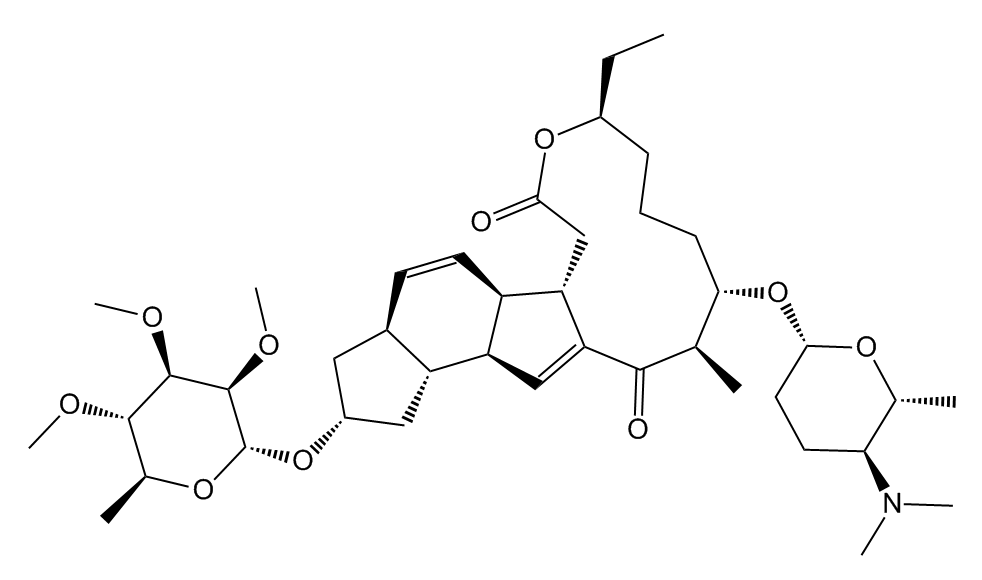
So what sorts of residues are found on the organic samples? The most common detection is of an insecticide called spinosad. That is an effective control for a variety of caterpillar pests and is produced through a microbial fermentation process, thus allowing it to qualify for use in organic (see chemical structure of one of the spinosyns below). Just to be clear, the spinosad products are produced by the Dow chemical company.

Chemical structure of a spinosan (Image from Cappacio)
Conventional farmers also make good use of this and other natural products. Spinosad is really the only natural product pesticide that is detected in the USDA’s monitoring program. Other widely used products like sulfur, petroleum distillates, copper salts and microbial products can’t be monitored using the same, highly sensitive and cost-effective tools that allow the USDA to generate the more than two million test results they generate each year. If specific tests were conducted for those natural products, the number of residues detected per organic sample would probably be much larger – but it wouldn’t really change the overall conclusion that these foods are safe to enjoy.


Other than spinosad, the remaining 80.2% of residues detected on organic are of “synthetic” chemicals.

Graph by author

While very few of the synthetic materials used in agriculture today are intrinsically very toxic to humans, they are theoretically not supposed to be present on organic because they are not on the list of approved, natural options.

There is however a rule in the organic certification system that any residue present at 5% or less of the USDA tolerance will be considered “unintentional” and thus not a reason to deny organic certification. 62.1% of the 2015 organic detections met that criterion, but interestingly so do 74.6% of the detections on non-organic samples from the US and 70.1% of the detections from imported, non-organic samples. Not so different.

Another 15.6% of residues detected on organic technically violate the organic rules by being over 5% of EPA tolerance, but such residues are still fully safe based on EPA criteria. That same safety criterion applied to 23.0% and 25.2% of conventional US and imported samples respectively. For both organic and conventional there are a few detected residues of products that don’t have a specific, assigned tolerance for the crop in question. These are generally very low-level detections, so while they represent technical violations they are not of real concern and once again, similar for organic and conventional (average “no tolerance” detection for organic 23.7 parts/billion, average for conventional imports 19.8 ppb, and average for US conventional 17.2 ppb).

To reiterate, what this transparent public database tells us is that our food supply is safe from the perspective of pesticide residues. This means that our regulatory system is working and that thousands of farmers in the US and elsewhere are doing a great job of managing pest damage while still protecting our health. The data also tells us that there are some striking similarities between organic and conventional when it comes to residues. What the data also tells us is that as consumers we should reject some of the misleading marketing and advocacy efforts of certain irresponsible elements of the organic industry. Instead of giving in to those fear-based campaigns we should feel the freedom to choose healthy and delicious produce using important criteria like freshness, flavor, quality and affordability.

There is a site you can use to visualize the PDP data http://www.cropaudit.org/

You are welcome to comment here and/or to email me at savage.sd@gmail.com


Tuesday, February 28, 2017

Nature: The Original Chemist

(This post originally appeared on the PPIP Blog)
We frequently see a contrast drawn between what is “natural” and what is “chemical.” Sometimes products are described as “chemical-free” even though every physical object is made of chemicals. As much as this suggests a problem with our science education, it speaks to a missed opportunity for wonder. Nature is not some sort of cosmic mother figure; on the contrary, nature is composed of diverse biological and physical processes, including some pretty amazing examples of chemistry continually taking place. If we indulge the human personification of nature and it’s “children” a bit, we could say the following about these “chemists:”
  • They are extremely creative.
  • They can make really complex molecules.
  • Some of their chemicals last a really long time – which is sometimes good and sometimes bad.
  • They are really good at making polymers.
  • They make some extremely toxic things.
I’ll give a few examples below.


Creative Natural Chemistry

The diversity of naturally occurring chemicals is staggering. Humans regularly take advantage of this, particularly when we need ideas for things like pharmaceuticals or crop protection products. Sometimes we extract the chemicals from a plant or other living thing. Often we grow tanks of microbes to harness their ability to make a chemical we find useful. In cases where the amounts of the chemical are too small to be practical from the natural source, human chemists can synthesize the same compound to fulfill the quantity needed. An example of this is a new potato sprout inhibitor. In many other instances, a natural chemical serves as the inspiration for human chemists to experiment with similar structures leading to the discovery of particularly useful drugs, fungicides, etc.
nature-ideas
Taxol structure image by Calvero. Pacific Yew tree image by Jason Hollinger via creative commons. Azoxystrobin fungicide structure by Yikrazuul.   Strobilurus tenacellus mushroom picture by Tatiana Bulyonkova at Mushroom Observer.


Complex Natural Chemistry


Some of the most abundant chemicals in nature are simple. Nearly 80% of the air we breathe is nitrogen in the form, N– just two nitrogen atoms bonded together. Nitrogen goes through natural cycles that are important to all living things but often stays in relatively uncomplicated forms like ammonia (NH3) or nitrate (NO3). On the other hand, natural chemicals can be complex, so much so that it would be challenging for even a skilled human chemist to make them.
One of these complex examples is called spinosad and it is produced by a microbe called an actinomycete. We have found this to be a particularly effective insecticide for use on crops yet quite benign for the environment and not toxic to people. The chemical company that produces this for farmers relies on the natural microbe to produce this complicated bit of chemistry.
spinosad
Structure of Spinosyn image by Capaccio via creative commons.


Long-Lived Natural Chemicals


Most naturally occurring chemicals are part of a cycle in which chemicals combine, making a material, but then eventually break back down into basic constituents to begin the cycle again. Some naturally produced chemicals are relatively long-lived. This can be a good thing in the case of the chemicals that are found in the organic matter of a healthy, undisturbed soil. These are not just any plant or microbial product; they are specific compounds that slowly cascade through a series of breakdown products.

For instance, plants make a group of complex, phenolic chemicals, called lignin, which are important for strengthening their cell walls. Lignin is quite resistant to microbial breakdown, although some fungi can and do destroy it, even as they decompose wood. Lignin is a major component of what is termed humus – the component of soil that helps to buffer nutrients and retain moisture. When soils are converted from wild land to cultivation, there is a dramatic increase in the rate of breakdown of these chemicals and thus the release of the carbon dioxide.

Some long-lived, natural chemicals, however, are less desirable. Under low oxygen conditions, soil-dwelling microbes can interconvert forms of nitrogen (e.g. ammonia to nitrate or nitrate to nitrogen gas). In that process, they “accidentally” make some nitrous oxide (N2O). Nitrous oxide is around 300 times more potent than carbon dioxide as a greenhouse gas because it lasts longer in the atmosphere. Unfortunately, human activity can exacerbate the production of this naturally generated chemical from farmed soils. Adjustments in farming practices can lead to a better balance of the production of natural chemicals that help or hurt greenhouse gas levels.


Fancy Polymeric Natural Chemicals


In the 1967 movie The Graduate, the character played by Dustin Hoffman is lectured about how the future is going to be all about plastics. Indeed, many people were excited in that era about polymers that chemists were developing, like nylon and polyester. These are based on long chains of monomers attached end to end.

Many of the most abundant natural chemicals on earth are also polymers, which are long chains made of simple sugar molecules. Depending on which sugar and how the sugars are linked together, the polymers result in anything from the cellulose that makes cotton fiber to wood or even the alginate from seaweed we use for thickening foods or the starch that is the primary energy source in foods like pasta, bread, rice or potatoes. Increasingly, we are tapping in to the enzymatic tools found in microbes in order to make polymers from renewable resources.

Variously Toxic Chemistries


Most people associate the term natural with the terms safe and wholesome. This impression has been created by decades of marketing, not by any understanding of the chemicals in nature. Many natural chemicals are perfectly benign; however, nature’s assortment of chemicals also includes many that are toxic by various mechanisms.  Lots of plants make chemicals to protect themselves from being eaten or otherwise bothered. We have all heard about nasty plants like poison ivy or even lovely plants like the Colorado Columbine which are dangerous to eat.
nature-toxic
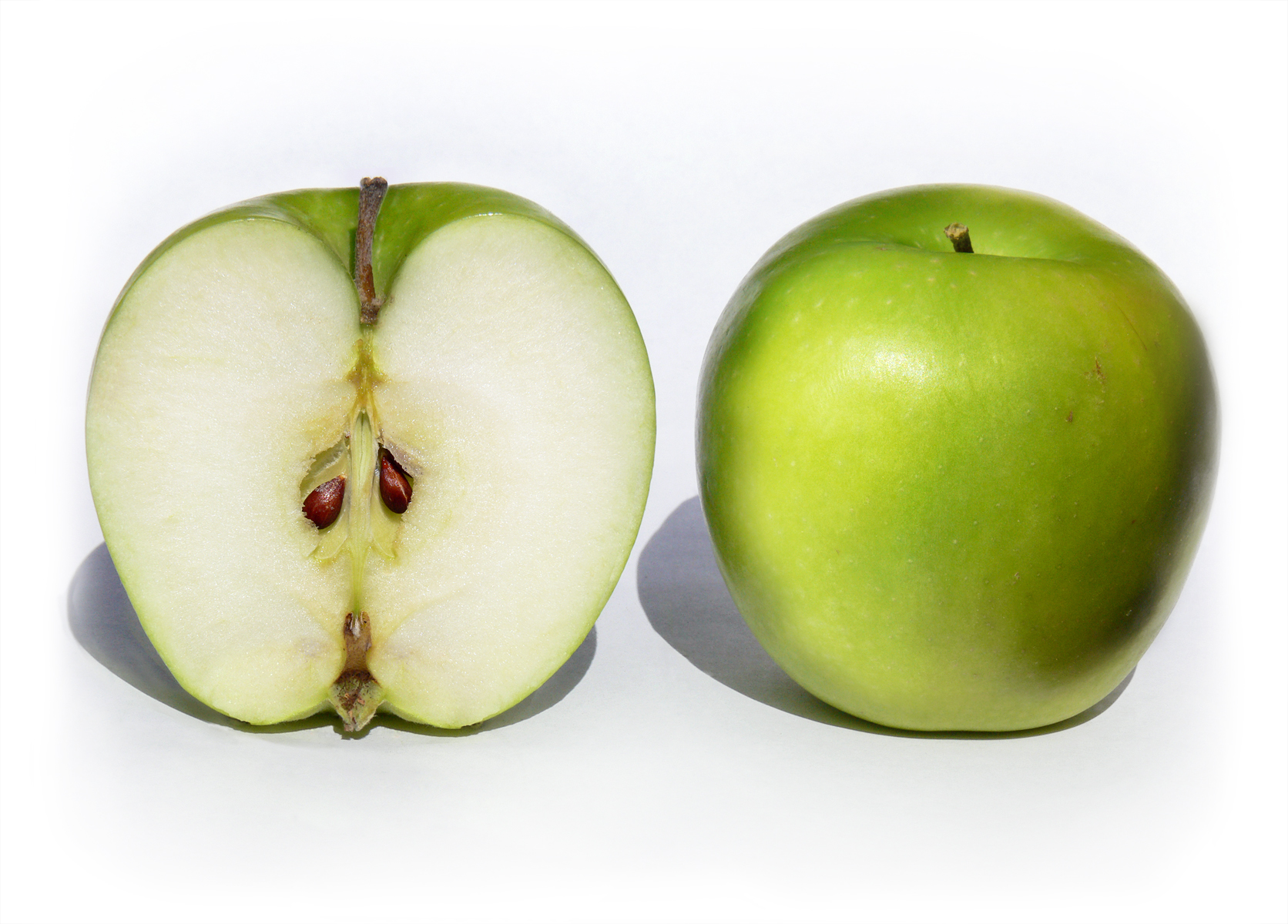
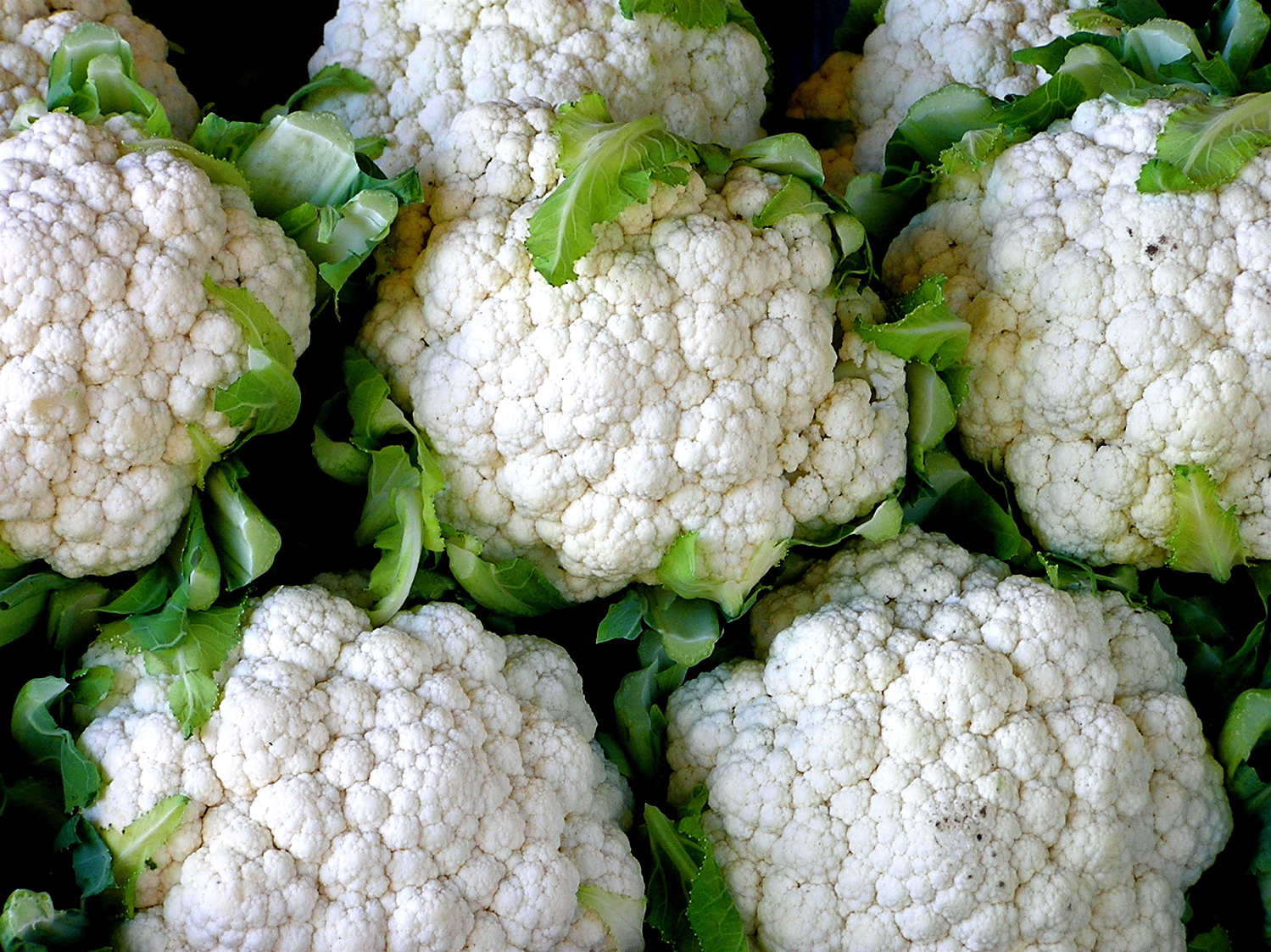
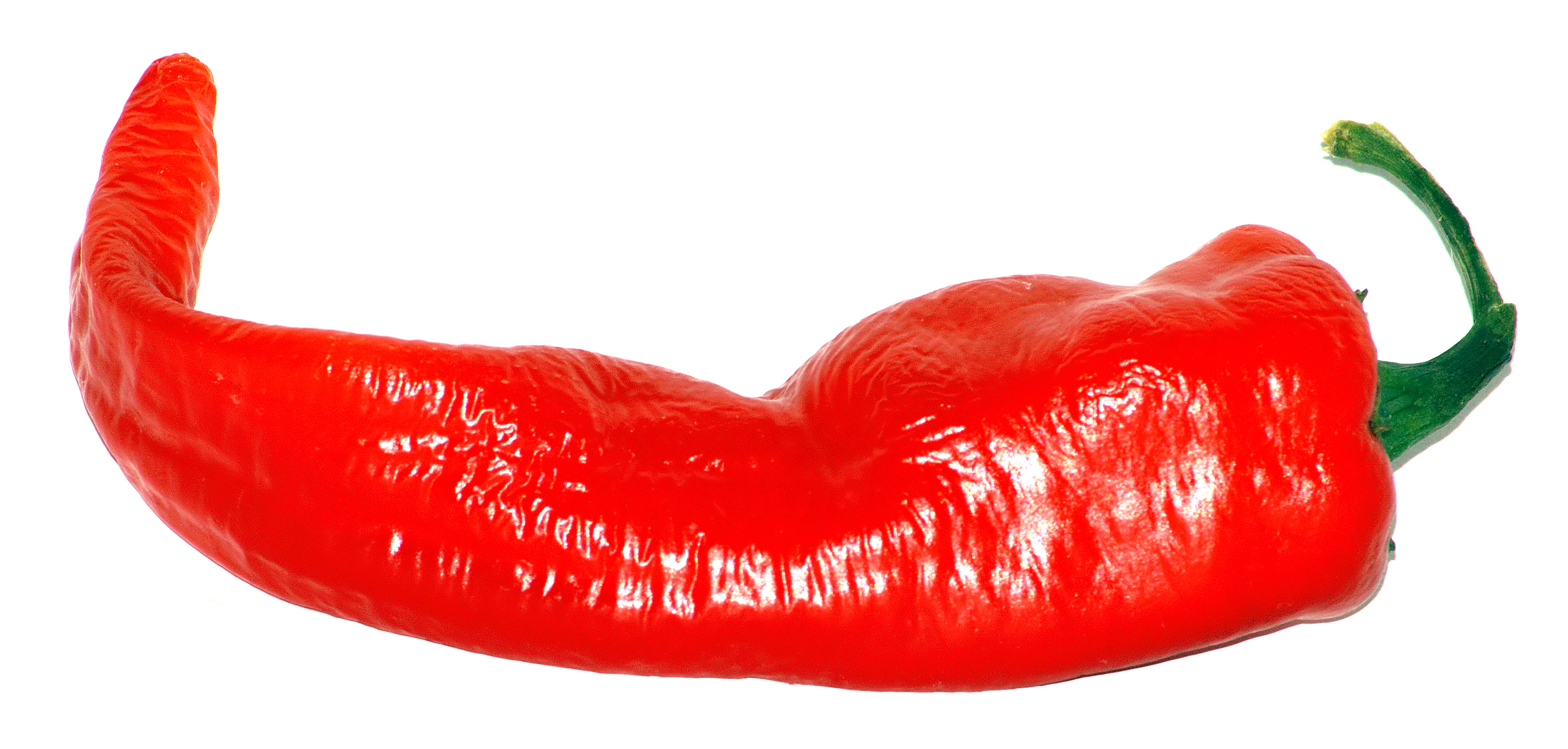
Cut Granny Smith apple image from Wikimedia. Cauliflower image from Calliope via creative commons. Hot pepper image by Andre Karwath via creative commons. Capsaicin structure by Jurgen Martens. Nicotine structure by NEUROtikerCyanide structure via Wikimedia.
Food plants also make some fairly toxic chemicals. The seeds of many familiar crops, including apples, cherries and peaches to name a few, contain a chemical storage component called a cyanogenic glycoside. When the seed is damaged, enzymes release hydrogen cyanide from the glycoside. Hydrogen cyanide is very toxic! It is a good reason not to eat those seeds, although it would take a lot of such seeds to hurt a person. The capsaicin that we enjoy in hot sauce is an insect protection chemical made by the pepper plant to defend itself. It is moderately toxic to us but not at the doses we normally consume. Quite a few plants make nicotine to ward off insects including tomatoes, cauliflower and eggplant. Nicotine is very toxic but not at the doses these crops produce. As with any toxic chemical, natural toxins are only an issue to humans at a certain dose.

Some natural chemicals, however, are extremely dangerous and we don’t want those in our food. Mycotoxins are a particularly nasty category of natural chemicals produced by certain fungi. One such chemical, called aflatoxin, is among the more toxic chemicals in existence and is also a potent carcinogen. Unfortunately, under certain circumstances, fungi can produce aflatoxin in food crops. In the developed world, a system of controls and testing keeps us well protected from this; in the developing world, though, aflatoxin is a major cause of death both through acute and chronic effects because it contaminates staple foods like corn or groundnuts.

nature-aflatoxin
Aspergillus infected groundnut image from International Institute of Tropical AgricultureAflatoxin structure by Ju

Some natural chemicals are elegantly selective in their toxicity. A soil bacterium, called Bacillus thuringiensis (usually called “Bt”), makes proteins that are specific in their toxicity to only certain categories of insects. One strain of Bt makes proteins that only effect beetles while another’s toxin only affects caterpillars. None of these Bt proteins are toxic to humans or almost anything else. We have made excellent use of these natural chemical toxins as sprayable insect controls and by genetically engineering plants to make their own supplies of the protein resulting in the plant being insect resistant.

Conclusion


Yes, nature does a great deal of chemistry. For us, these chemicals can be a source of good things, a source of good ideas, and sometimes a hazard or problem.

you are welcome to comment here and/or to email me at savage.sd@gmail.com